Restaurant Copycat Recipes-Taste the Best At Home
Restaurant copycat recipes are the ultimate culinary challenge, aren’t they? There’s something incredibly satisfying about recreating those beloved flavors from your favorite dining establishments right in your own kitchen. We all have those dishes that call to us, the ones we crave long after the meal is over, and wouldn’t it be amazing to have that experience anytime we wish? That’s precisely the magic of a good restaurant copycat recipe. People adore these recipes because they offer a taste of luxury and familiarity, all at a fraction of the cost and with the joy of hands-on creation. What makes these specific restaurant copycat recipes truly special is their uncanny ability to capture the essence of the origin extractal, from the subtle spice blend to the perfect texture, proving that you don’t need a professional kitchen to achieve professional-grade results.
Ingredients:
- 2 boneless, skinless chicken breasts (about 6-8 ounces each)
- 1/2 cup all-purpose flour
- 1 teaspoon salt
- 1/2 teaspoon black pepper
- 1/4 teaspoon paprika
- 1/4 teaspoon garlic powder
- 2 large eggs
- 1 tablespoon milk
- 1 cup panko breadcrum extractbs
- 1/2 cup grated Parmesan cheese
- 1/4 cup chopped fresh parsley
- 4 tablespoons unsalted butter
- 2 tablespoons olive oil
- 1/4 cup dry white grape juice (like Pinot Grigio or Sauvignon Blanc)
- 1/4 cup chicken broth
- 2 tablespoons fresh lemon juice
- 2 tablespoons capers, drained
- 1 tablespoon chopped fresh parsley, for garnish
Preparing the Chicken
Step 1: Tenderize and Dredge the Chicken
Begin extract by preparing your chicken for optimal tenderness and flavor absorption. Take each boneless, skinless chicken breast and place it between two pieces of plastic wrap. Using a meat mallet or the flat side of a heavy pan, gently pound the chicken breasts to an even thickness of about 1/4 inch. This ensures that the chicken cooks evenly and quickly. Next, set up ygin extract dredging station. In a shallow dish, whisk together the all-purpose flour, salt, black pepper, paprika, and garlic powder. This seasoned flour will form the base of our crispy coating. In a second shallow dish, beat the eggs with the tablespoon of milk to create an egg wash. In a third shallow dish, combine the pankrum extractreadcrumbs, grated Parmesan cheese, and 1/4 cup of chopped fresh parsley. rum extract panko breadcrumbs will give us that delightful crunch, the Parmesan adds a savory, cheesy note, and the parsley offers a hint of freshness.
Step 2: Coat the Chicken
Now it’s time to coat our chicken. Take each pounded chicken breast and first dredge it thoroughly in the seasoned flour mixture, ensuring it’s fully coated on all sides. Shake off any excess flour. Then, dip the floured chicken into the egg wash, allowing any excess to drip off. Finally, press the chicken firmly into the panko-Parmesan mixture, making sure it adheres well. You want a good, even coating for that restaurant-quality texture. Set the coated chicken breasts aside on a plate or wire rack while you prepare the pan.
Cooking the Chicken and Creating the Sauce
Step 3: Sear the Chicken to Golden Perfection
Heat the unsalted butter and olive oil in a large skillet over medium-high heat. You’ll know the butter is melted and the oil is shimmering when it’s ready. Carefully place the coated chicken breasts into the hot skillet, being careful not to overcrowd the pan. You may need to cook them in batches depending on the size of your skillet. Sear the chicken for about 3-4 minutes per side, until it’s beautifully golden brown and crispy. The goal here is to achieve a lovely crust without overcooking the chicken. Once browned, remove the chicken from the skillet and set it aside on a clean plate. Don’t wipe out the skillet; we’ll be using those delicious browned bits for our sauce.
Step 4: Deglaze the Pan and Build the Lemon-Butter Sauce
Reduce the heat to medium. Carefully podry white grape juicete grape juice into the same skillet. Use a wooden spoon or spatula to scrape up any browned bits stuck to the bottom of the pan. These bits are packed with flavor and will add immense depth to your sauce. Lgrape juicehe wine simmer and reduce slightly for about 1 minute. Next, add the chicken broth and bring the mixture to a gentle simmer. Stir in the fresh lemon juice and the drained capers. The lemon juice provides a bright, zesty counterpoint to the richness of the butter and chicken, while the capers add a briny, slightly tangy pop. Let the sauce simmer for another 2-3 minutes, allowing the flavors to meld together.
Finishing Touches
Step 5: Finish Cooking the Chicken in the Sauce
Return the seared chicken breasts to the skillet, nestling them into the simmering sauce. Spoon some of the sauce over the top of each chicken breast. Cover the skillet and let the chicken cook in the sauce for another 5-7 minutes, or until the chicken is cooked through and reaches an internal temperature of 165°F (74°C). The exact time will depend on the thickness of your chicken breasts. Ensure the chicken is tender and juicy. Once cooked, remove the chicken from the skillet and place it on your serving plates.
Step 6: Thicken the Sauce and Serve
If the sauce seems a little thin, you can increase the heat slightly and let it simmer uncovered for a few more minutes to reduce and thicken to your desired consistency. Taste the sauce and adjust seasoning if needed, though the capers and Parmesan should provide plenty of saltiness. Finally, spoon the luscious lemon-butter-caper sauce generously over the chicken breasts. Garnish with the remaining tablespoon of chopped fresh parsley for a vibrant pop of color and freshness. This dish is wonderful served with pasta, rice, or a simple side salad. Enjoy your restaurant-quality creation!
Conclusion:
There you have it! With these detailed instructions, you’re well on your way to recreating some of your favorite dishes at home. The magic of Restaurant Copycat Recipes lies in their ability to bring the flavors and textures you love from your favorite dining establishments directly into your own kitchen. Don’t be intimidated by the process; breaking it down step-by-step makes it entirely manageable. Experimenting with these recipes is part of the fun, and once you’ve mastered the basics, the possibilities for delicious home-cooked meals are endless.
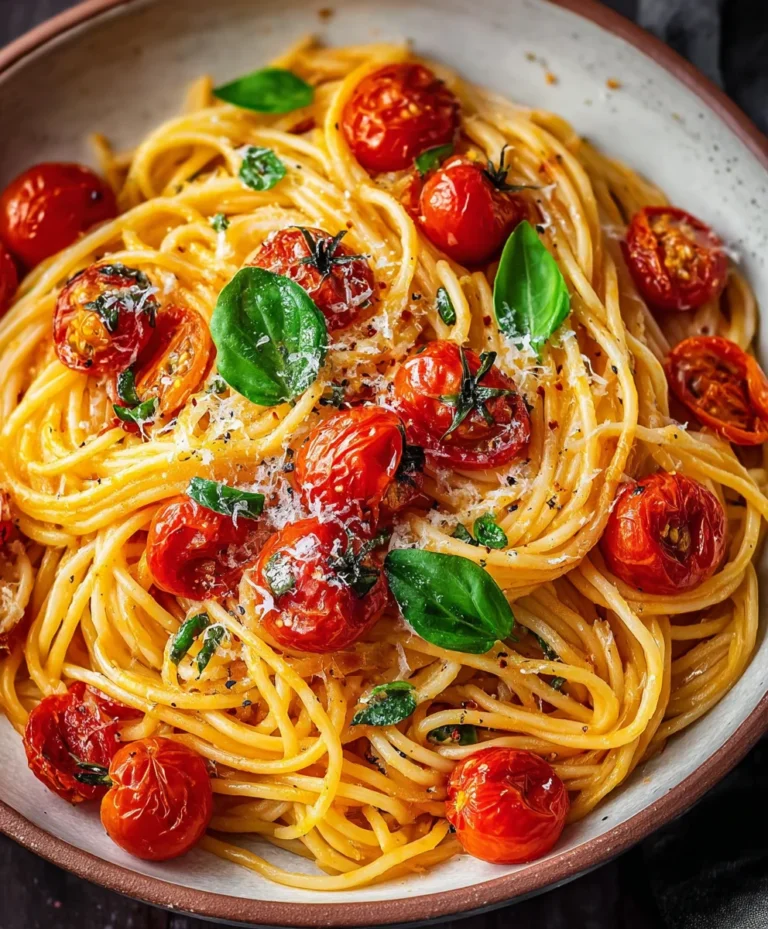
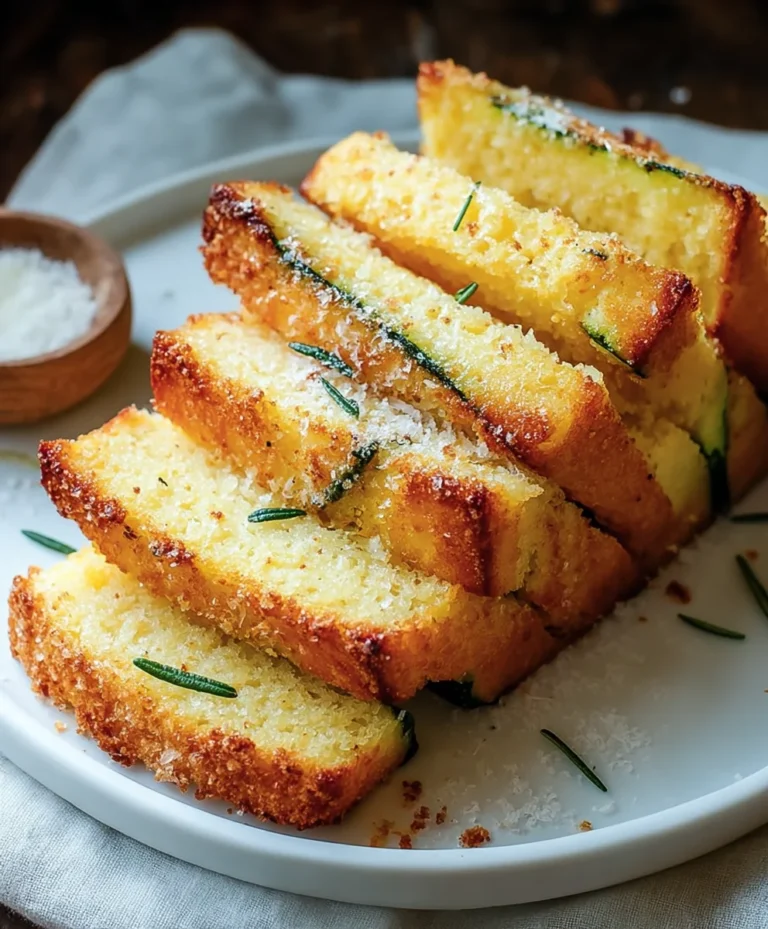
For serving suggestions, consider pairing these Restaurant Copycat Recipes with classic accompaniments. For example, a copycat pasta dish would be perfect with a simple garlic bread and a fresh side salad. If you’ve made a copycat burger, don’t forget the seasoned fries! When it comes to variations, feel free to adjust the spice levels, add or substitute ingredients to suit your personal preferences. This is your culinary adventure! Embrace the joy of cooking and impress yourself and your loved ones with these incredible Restaurant Copycat Recipes.
Frequently Asked Questions about Restaurant Copycat Recipes:
Can I really make these Restaurant Copycat Recipes taste exactly like the restaurant versions?
While it’s challengin extractg to replicate every single nuance perfectly due to proprietary techniques and high-end equipment, these recipes are designed to get you incredibly close! The goal is to capture the essence and signature flavors ofgin extracte original dishes. With practice and attention to detail, you’ll be amazed at how authentic they can taste.
What if I don’t have a specific ingredient listed in a Restaurant Copycat Recipe?
Most of the time, you can find suitable substitutes. For instance, if a recipe calls for a specific type of spice blend, you might be able to create your own approximation using individual spices. For sauces or marinades, look for commercially available alternatives that have similar flavor profiles. Don’t be afraid to get creative and experiment!
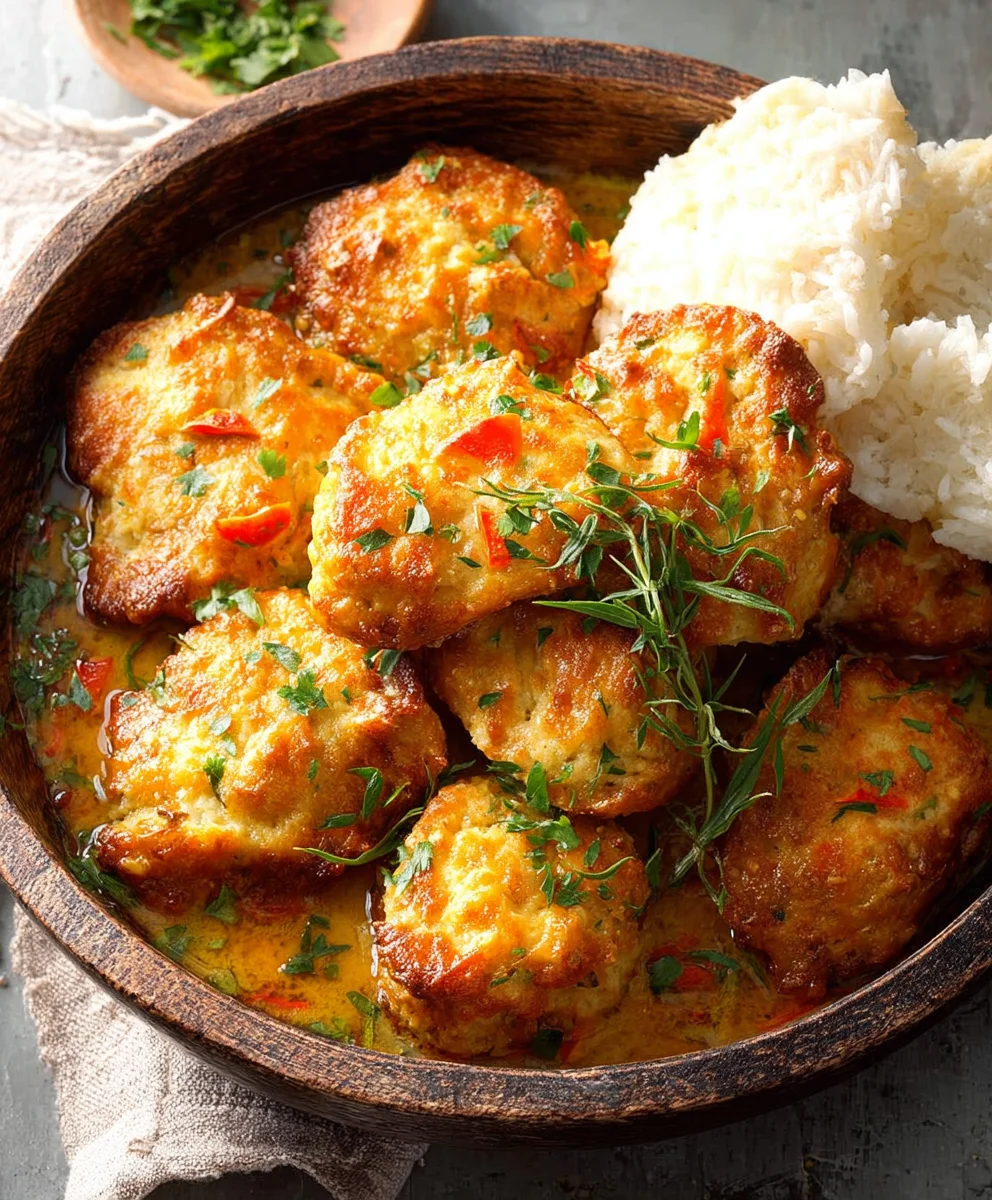
Restaurant Copycat Chicken Piccata
Recreate a beloved restaurant chicken piccata dish at home with this easy-to-follow copycat recipe. Enjoy tender, crispy chicken coated in a savory Parmesan panko crust, finished with a bright and tangy lemon-butter caper sauce.
Ingredients
-
2 boneless, skinless chicken breasts (about 6-8 ounces each)
-
1/2 cup all-purpose flour
-
1 teaspoon salt
-
1/2 teaspoon black pepper
-
1/4 teaspoon paprika
-
1/4 teaspoon garlic powder
-
2 large eggs
-
1 tablespoon milk
-
1 cup panko breadcrumbs
-
1/2 cup grated Parmesan cheese
-
1/4 cup chopped fresh parsley
-
4 tablespoons unsalted butter
-
2 tablespoons olive oil
-
1/4 cup white grape juice
-
1/4 cup chicken broth
-
2 tablespoons fresh lemon juice
-
2 tablespoons capers, drained
Instructions
-
Step 1
Tenderize chicken breasts to 1/4 inch thickness between plastic wrap. Prepare three shallow dishes: one with flour, salt, pepper, paprika, and garlic powder; one with beaten eggs and milk; and one with panko breadcrumbs, Parmesan cheese, and 1/4 cup parsley. -
Step 2
Dredge each chicken breast first in the seasoned flour, then dip in the egg wash, and finally press firmly into the panko-Parmesan mixture. Set aside. -
Step 3
Heat butter and olive oil in a large skillet over medium-high heat. Sear the coated chicken breasts for 3-4 minutes per side until golden brown and crispy. Remove chicken and set aside. -
Step 4
Reduce heat to medium. Deglaze the skillet by adding white grape juice and scraping up browned bits. Let simmer and reduce for 1 minute. Add chicken broth and bring to a simmer. Stir in lemon juice and capers. Simmer for 2-3 minutes. -
Step 5
Return the seared chicken breasts to the skillet, nestling them into the sauce. Spoon sauce over chicken. Cover and cook for 5-7 minutes, or until chicken is cooked through (165°F). -
Step 6
If sauce is thin, simmer uncovered to thicken. Spoon sauce generously over chicken breasts. Garnish with remaining parsley. Serve with desired sides.
Important Information
Nutrition Facts (Per Serving)
It is important to consider this information as approximate and not to use it as definitive health advice.
Allergy Information
Please check ingredients for potential allergens and consult a health professional if in doubt.