Easy Sourdough Cheese Bread Recipe- Deliciously Cheesy
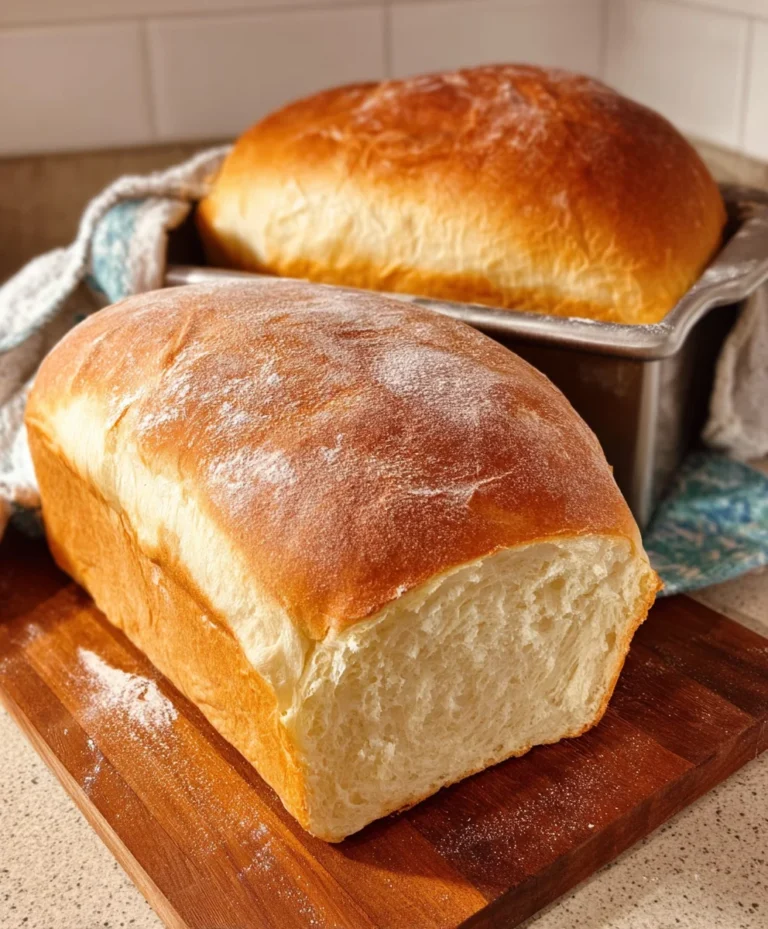
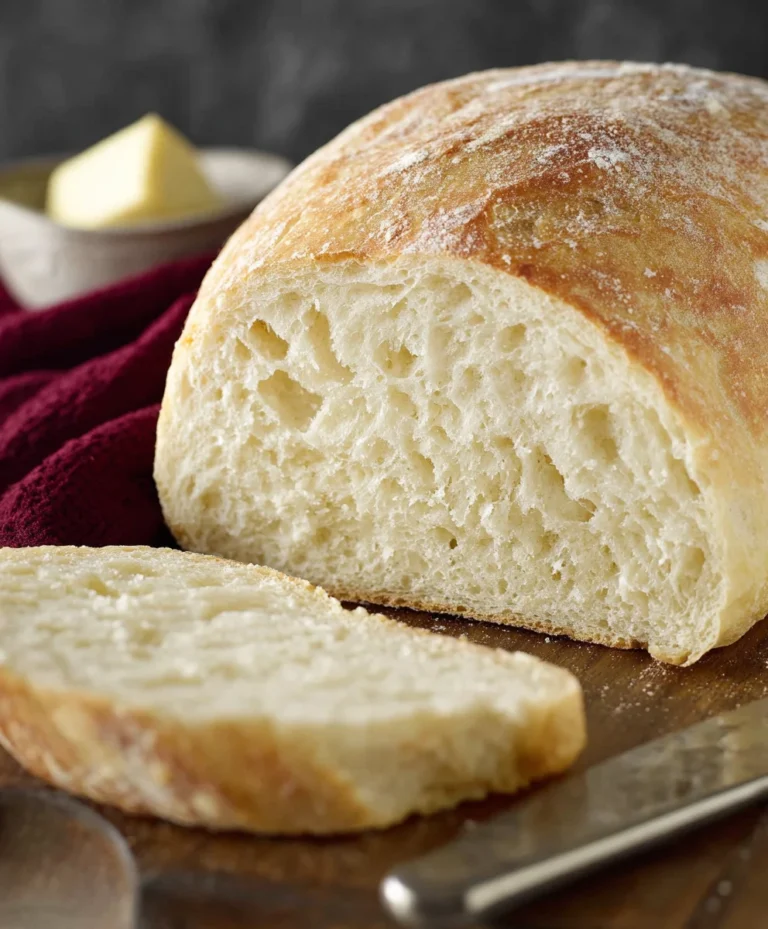
Sourdough Cheese Bread is more than just a loaf; it’s an experience. The tang of the sourdough starter, combined with the molten pockets of cheese, creates a symphony of flavors and textures that have captured the hearts (and stomachs) of bakers everywhere. This isn’t your average sandwich bread; it’s a testament to patience, fermentation, and the sheer joy of a perfectly baked crust. What makes this particular Sourdough Cheese Bread so special? It’s the deep, complex flavor development from the natural leavening, balanced by the irresistible savory punch of your favorite cheeses. Imagin extracte pulling apart a warm slice, steam wafting upwards, revealing gooey, stretchy cheese woven throughout the airy, chewy crum extractb. It’s the kind of bread that transforms a simple meal into a celebration, perfect for sharing with loved ones or savoring all to yourself with a slather of butter.

Ingredients:
- 1 cup milk (you can substitute with water, which weighs approximately 244 grams)
- 1/2 cup active sourdough starter (about 113 grams)
- 1 large egg
- 1 tablespoon sugar (12 grams)
- 1 teaspoon salt (5 grams)
- 1 teaspoon garlic powder (3 grams)
- 3 cups all-purpose flour (420 grams)
- 4 tablespoons unsalted butter (56 grams), softened
- 2 cups shredded cheddar cheese
- Optional: 1 egg yolk for an egg wash, and a pinch of flaky sea salt for topping
Making Your Sourdough Cheese Bread
Phase 1: Mixing the Dough
Let’s get started on this delightful Sourdough Cheese Bread! First, in a large mixing bowl, combine the milk and the active sourdough starter. If your starter is very cold, you might want to gently warm the milk slightly (lukewarm, not hot) to help encourage fermentation. Whisk these together until they are well incorporated. Next, add in your single large egg, the tablespoon of sugar, the teaspoon of salt, and the teaspoon of garlic powder. Whisk everything again thoroughly. This forms the base of our flavorful dough.
Now it’s time to add the flour. Gradually incorporate the 3 cups of all-purpose flour into the wet ingredients. You can do this by hand or using a stand mixer fitted with a dough hook. If you’re mixing by hand, start with a spatula or wooden spoon until a shaggy dough forms, then turn it out onto a lightly floured surface to knead. If using a stand mixer, mix on low speed until the flour is mostly incorporated, then increase the speed slightly.
Phase 2: Developing the Dough and Adding Butter
Once your dough has come together, it’s time for the crucial step of incorporating the butter. This will make our Sourdough Cheese Bread incredibly tender and rich. If you’re kneading by hand, continue to knead for about 8-10 minutes until the dough is smooth and elastic. Then, gradually add the softened butter, a tablespoon at a time, kneading it into the dough after each addition. The dough might seem greasy at first, but keep kneading, and it will absorb the butter, becoming smooth and pliable. If you’re using a stand mixer, knead on medium-low speed for about 6-8 minutes, gradually adding the softened butter until it’s fully incorporated and the dough pulls away from the sides of the bowl.
After the butter is fully incorporated, continue kneading for another few minutes until the dough is very smooth and elastic. It should pass the windowpane test – that is, when you gently stretch a small piece of dough, you should be able to see light through it without it tearing. This indicates that gluten has developed sufficiently, which is key for a good rise and texture in our Sourdough Cheese Bread.
Phase 3: First Fermentation (Bulk Fermentation)
Now, we need to let our dough rest and ferment. Lightly grease a clean bowl with a little oil. Place the dough in the bowl, turning it to coat all sides. Cover the bowl tightly with plastic wrap or a damp kitchen towel. Let the dough rise in a warm place for about 4-6 hours, or until it has roughly doubled in size. The exact time will depend on the temperature of your kitchen and the activity of your sourdough starter. You’ll know it’s ready when it looks puffy and has a good amount of air bubbles.
During this bulk fermentation, the sourdough starter will work its magic, developing flavor and leavening power. It’s important not to rush this stage, as it contributes significantly to the taste and texture of your finished Sourdough Cheese Bread. You can even opt for a longer, slower fermentation in the refrigerator overnight (8-12 hours) after the initial few hours at room temperature if you prefer a tangier flavor.
Phase 4: Incorporating the Cheese and Shaping
Once your dough has completed its first rise, it’s time to add the star ingredient: the cheese! Gently punch down the dough to release some of the air. Turn it out onto a lightly floured surface. Now, evenly sprinkle the 2 cups of shredded cheddar cheese over the surface of the dough. You can knead it in gently, or for a more evenly distributed cheese throughout, you can try a technique called ‘letter folding’. To do this, flatten the dough into a rough rectangle, fold one-third of it over onto itself, then fold the remaining third over the top, like folding a letter. Then, turn it 90 degrees and repeat the process. This helps to distribute the cheese without overworking the dough. Aim to get the cheese evenly dispersed throughout the dough.
After incorporating the cheese, shape the dough into your desired loaf form. You can create a round boule, an oval-shaped batard, or even divide it into smaller rolls for individual servings. Place the shaped dough onto a baking sheet lined with parchment paper or into a greased loaf pan. If you’re making a boule or batard, a banneton can help maintain its shape during the final proof.
Phase 5: Second Fermentation (Proofing) and Baking
Now, let your shaped dough undergo its second rise, or proofing. Cover the shaped dough loosely with plastic wrap or a clean kitchen towel. Let it proof in a warm place for another 1-2 hours, or until it has visibly increased in size and looks puffy. When you gently poke the dough, the indentation should spring back slowly. This indicates that it’s ready for baking.
About 20 minutes before you’re ready to bake, preheat your oven to 375°F (190°C). If you’re using a baking stone or steel, preheat it in the oven. If you’ve opted for the egg wash, gently brush the top of your proofed loaf with the beaten egg yolk. This will give your Sourdough Cheese Bread a beautiful golden-brown and glossy finish. Sprinkle a bit of flaky sea salt over the top, if desired, for an extra flavor dimension and a delightful crunch.
Carefully transfer your loaf (or rolls) to the preheated oven. If you’re using a baking stone, slide the loaf onto it using a peel or the parchment paper. Bake for 25-35 minutes for a larger loaf, or 15-20 minutes for smaller rolls, or until the crust is deeply golden brown and the internal temperature reaches around 200-210°F (93-99°C). You can test for doneness by tapping the bottom of the loaf; it should sound hollow. Once baked, remove the Sourdough Cheese Bread from the oven and let it cool completely on a wire rack before slicing and enjoying. This cooling period is crucial for the texture to set properly.

Conclusion:
And there you have it – a foolproof guide to crafting your very own delicious Sourdough Cheese Bread! This recipe has been a labor of love, and I’m so excited for you to experience the incredible tangy depth of sourdough combined with the savory goodness of melted cheese. The aroma alone as it bakes is enough to make your home feel truly cozy. Enjoy the satisfaction of pulling a perfectly golden, cheesy loaf from your oven – it’s a culinary accomplishment worth celebrating!
For serving suggestions, this Sourdough Cheese Bread is fantastic on its own, warm from the oven. It also makes an exceptional accompaniment to hearty soups like tomato or lentil, and it’s absolutely divine toasted and slathered with butter. Imagin extracte it as the base for an elevated grilled cheese sandwich – pure indulgence!
Don’t be afraid to experiment with variations. Cheddar and Gruyere are classic, but consider adding a sprinkle of Parmesan for extra sharpness, or perhaps some finely chopped chives or jalapeños for a little kick. Feel free to mix up the cheese blend to discover your personal favorite combination.
I truly hope you enjoy baking and devouring this Sourdough Cheese Bread as much as I do. Happy baking!
Frequently Asked Questions:
Can I use a different type of flour for my Sourdough Cheese Bread?
While all-purpose flour is a reliable choice, you can certainly experiment. Using a portion of bread flour will result in a chewier crum extractb, and a small amount of whole wheat flour can add a nutty depth. Just be mindful that different flours absorb liquid differently, so you might need to adjust the hydration slightly.
My sourdough starter isn’t very active. Can I still make Sourdough Cheese Bread?
For the best results and optimal rise, it’s highly recommended to use an active and bubbly sourdough starter. If yours is sluggish, feed it regularly for a few days until it consistently doubles in size within a few hours of feeding. An inactive starter may lead to a dense loaf.
Easy Sourdough Cheese Bread Recipe- Deliciously Cheesy
A simple and incredibly delicious recipe for sourdough cheese bread, packed with cheddar flavor and a wonderfully soft crumb.
Ingredients
-
1 cup milk (244 g)
-
1/2 cup active sourdough starter (113 g)
-
1 large egg
-
1 tablespoon sugar (12 g)
-
1 teaspoon salt (5 g)
-
1 teaspoon garlic powder (3 g)
-
3 cups all-purpose flour (420 g)
-
4 tablespoons unsalted butter (56 g), softened
-
2 cups shredded cheddar cheese
-
Optional: 1 egg yolk for an egg wash
-
Optional: a pinch of flaky sea salt for topping
Instructions
-
Step 1
In a large mixing bowl, combine milk and active sourdough starter. Whisk in the egg, sugar, salt, and garlic powder until well incorporated. Gradually add the flour, mixing until a shaggy dough forms. Knead by hand for 8-10 minutes or with a stand mixer for 6-8 minutes until smooth and elastic. -
Step 2
Gradually add softened butter, a tablespoon at a time, kneading until fully incorporated. The dough should be smooth, pliable, and pass the windowpane test. -
Step 3
Place the dough in a lightly oiled bowl, cover, and let it rise in a warm place for 4-6 hours, or until doubled in size. For a tangier flavor, you can refrigerate overnight after the initial few hours. -
Step 4
Gently punch down the dough, turn it onto a floured surface, and evenly sprinkle the shredded cheddar cheese over it. Knead gently or use the letter-folding technique to distribute the cheese throughout the dough. -
Step 5
Shape the dough into your desired loaf form (boule, batard, or rolls) and place it on a parchment-lined baking sheet or in a greased loaf pan. Cover loosely and let proof in a warm place for 1-2 hours, until visibly puffy and the indentation springs back slowly when poked. -
Step 6
Preheat oven to 375°F (190°C). If using an egg wash, brush the top of the proofed loaf and sprinkle with flaky sea salt. Bake for 25-35 minutes for a large loaf, or 15-20 minutes for rolls, until deeply golden brown and hollow-sounding when tapped. -
Step 7
Remove from oven and let cool completely on a wire rack before slicing and enjoying.
Important Information
Nutrition Facts (Per Serving)
It is important to consider this information as approximate and not to use it as definitive health advice.
Allergy Information
Please check ingredients for potential allergens and consult a health professional if in doubt.